
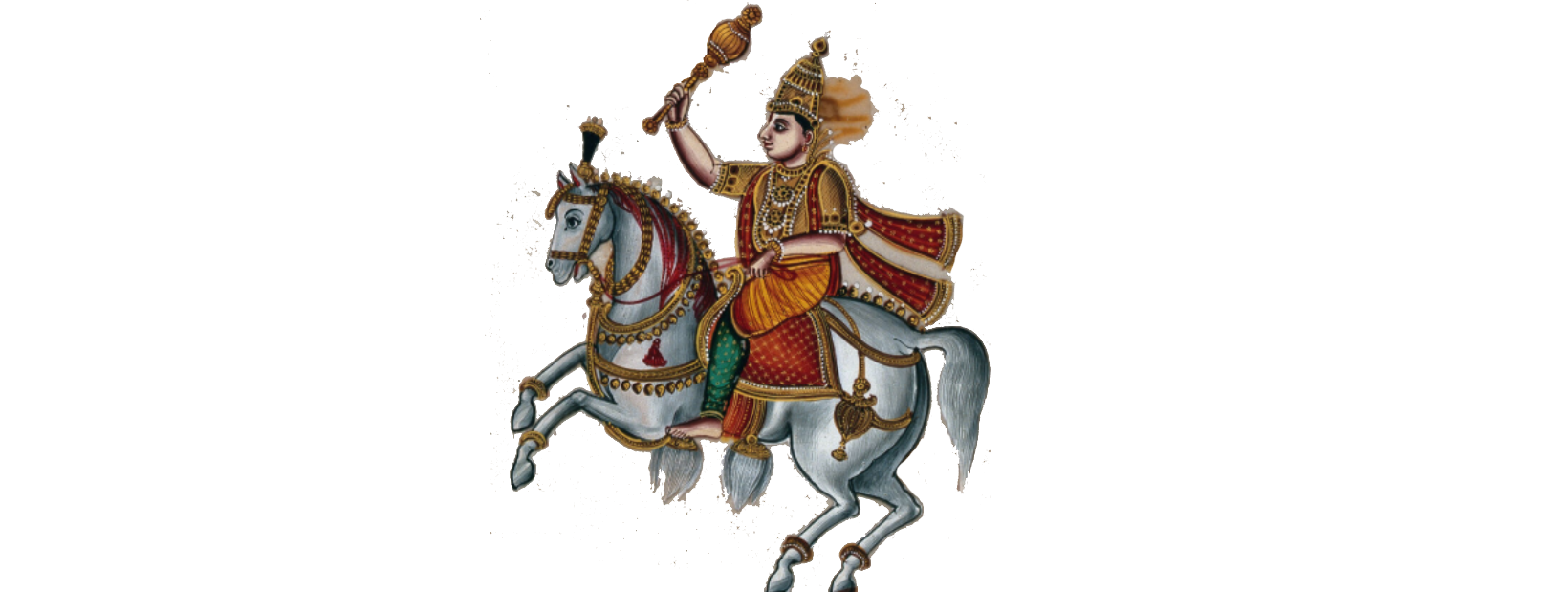

The final set of verses in the Agnyashva Upanishad, three sutras. ~ Speech.
The summary of the discourse between, the stranger/wayfarer and the ‘Devas’ .
The three primal analogies being;-
Meaning~ the eternal spiral, the quest.
Wisdom~ That is not of Self, but un-self.
Action ~ Or the Observer ~Non-acting in duality.
This completes the Upanishad from the Octave ~ Sound and the Septave ~ Sight.
1. “संदेशं वहत।”
अनन्तस्य प्रतिध्वनयः हासः एव सन्ति।
“Saṃdeśaṃ vahata.”
Anantasya pratidhvanayaḥ hāsaḥ eva santi.
“Carry The Message On.”
The Echoes of eternity is laughter.
The word hāsa (हास) in Sanskrit carries a far deeper resonance than mere laughter — in the Tantric and Vedāntic traditions, divine laughter is the creative vibration of the cosmos itself. The god Śiva could be said to have laughed the universe into existence. (Not withstanding the established texts say~The universe is typically brought into existence via Śabda (sound), specifically the vibration of Oṃ (Pranava))
Pratidhvani (प्रतिध्वनि) — echo — suggests that what we hear across ananta (अनन्त), eternity, is not silence, but the reverberating joy of the Absolute.
The imperative vahata — carry on — is a sacred charge, a calling passed from one soul to another across time, like a torch that never dims.
The Devas stood symbolically upon pillars, each passed a word to the next, some distorted, some reflected, some expanded, the message was carried on, and as the baton was handed to the next it was pure joy and laughter in that condition.
2.”मया प्राप्तम्।”
यदा आत्मा एकत्वे विलीनः अभवत्।
“Mayā prāptam.”
Yadā ātmā ekatve vilīnaḥ abhavat.
“I’ve Got It.”
As Self dissolved to one.
The Paradox of realization.: The word ātmā (आत्मा) is one of the most profound in all Sanskrit — referring to the individual Self, which in Advaita Vedānta philosophy is ultimately identical to Brahman (the universal consciousness). The act of vilīna (विलीन) — dissolving — into ekatva (एकत्व) — oneness — is the very essence of mokṣa (मोक्ष), liberation. The phrase “mayā prāptam” carries the triumphant ring of realisation — the moment the seeker knows.
The PAradox being, the one, the self, at the moment of moksha becomes both unified and obliterated.
“If you take this pill, you will never be the same again”, some took, some refused. I want to take the pill, is to paradoxically to say, I wish this I to be gone.
3. “वयं त्वया सह एकीभविष्यामः,” इति देवाः अवदन्। द्रष्टृ अस्वीकरोत्, तथा च द्रष्टृ परिपूर्णः अपरिचितः एव अतिष्ठत्।
“Vayaṃ tvayā saha ekībhaviṣyāmaḥ,” iti Devāḥ avadan. Draṣṭṛ asvīkarot, tathā ca Draṣṭṛ paripūrṇaḥ aparicitaḥ eva atiṣṭhat.
“We shall merge with you,” said the Devas.
Draṣṭṛ refused, and remained a perfect stranger.
The Devas — those radiant, celestial beings of light, the very architects of cosmic order — approached Draṣṭṛ with an offer that any seeker might consider the ultimate gift. “We shall merge with you.” Not conquer. Not instruct. Not worship. But merge — to become one with Draṣṭṛ, to dissolve the boundary between the divine host and this singular, silent presence.
This refusal is not arrogance. It is not ignorance. It is something far more extraordinary.
The Devas, for all their luminosity, still exist within the play of creation — within māyā (माया), within form, within the dance of guṇas (गुण). Their very offer of merger reveals that they perceive duality — a them and a Draṣṭṛ. They see a boundary to be crossed. They see a union yet to be achieved.
But Draṣṭṛ — this unnamed, unclassified One — already is what they are seeking to become. Draṣṭṛ does not need to merge, because Draṣṭṛ has never been separate. The offer of union is, to Draṣṭṛ, like offering water to the ocean.
Draṣṭṛ is a stranger not because Draṣṭṛ is absent — but because Draṣṭṛ is too present to be perceived by those still looking through the lens of separation.
Note: Draṣṭṛ ~ the pure seer, the witness-consciousness.
A variation has परिपूर्णः Perfect replaced with सन्तुष्टः (santuṣṭaḥ) : content/satisfied.

The Third of the texts within Agnyashva is known as ~ Speech ~ and with respect to Lleshwari composer of the Vatsun (/ˈvætʃən/) Poems~ speech.
The Agnyashva Upanishad as PDF below with summarised commentary. The Full commentary and discourse on the subjects to be uploaded ~TBA.




Leave a Reply