
Where do you begin to describe some aspects of Lucid Dream work, where in the main you meet ‘strangers’ who give information that hitherto has never been accessed before. Characters alike Shemzu who though looking very androgynous would seemingly deliberatley baffle, when asked who ‘they’ was, one moment it was Shemzu, then ShemAta and then ShemMa. I reasoned these were aspects of this deity, much as it changes in form from dawn to dusk. I believe Shemzu was of the dawn, ShemAta of the Full light of experience, the illuminated world, and ShemMa of the Setting of the Sun, the reflective and the waning.
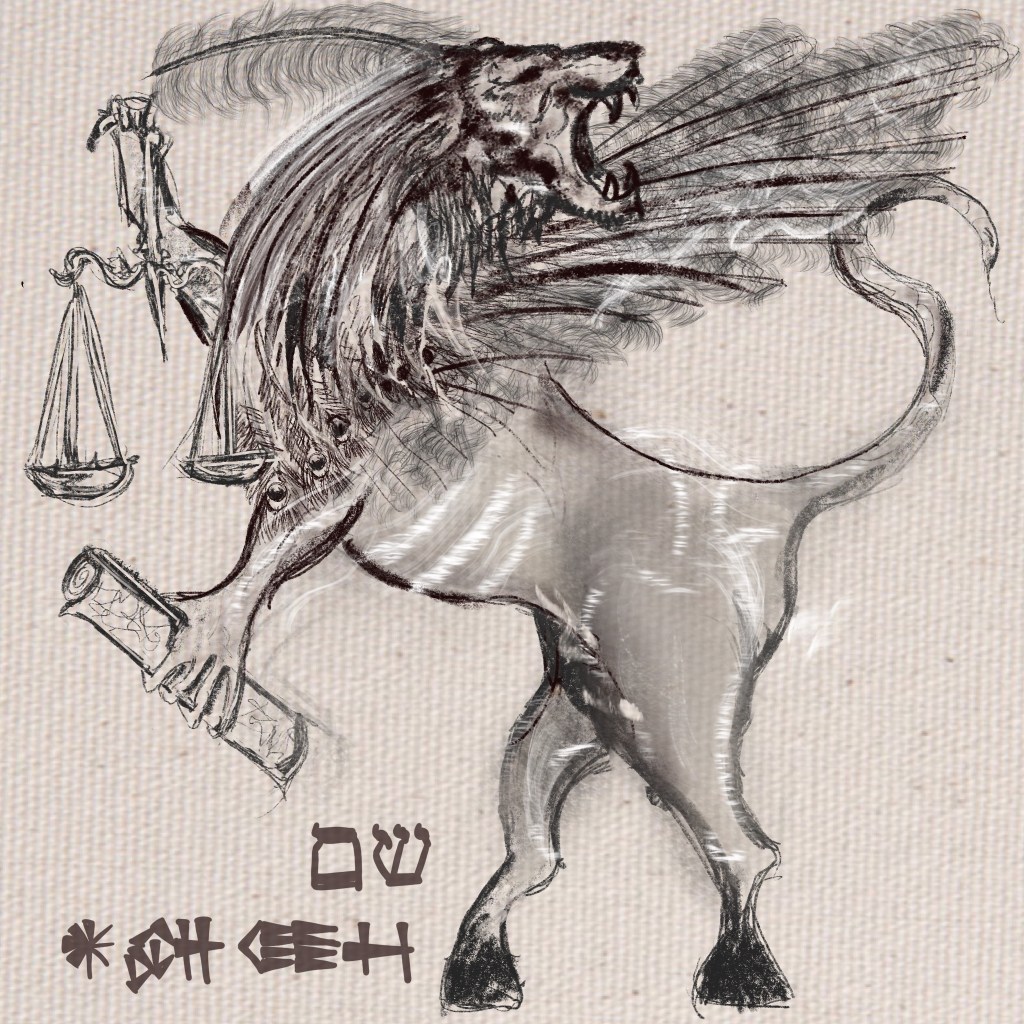
Image taken from Devas Sublime Book 2 (personal ‘BOS’) ~ ShemZu. original Image directly inspired from relief of Anzu
Many years ago I, through matters of merging with the Devas kingdom formed an impression of three but wholly distinct likewise characters, they were so pixie like as to be contrived as characters from perhaps wind in the willows. Their names were subjectively created by me, but immediately adopted. They Were Pondbloom, Twigreach and Branchfellow. Pondbloom was a very rotund looking creature with a passion for smoking strange herbs who would always debate from the light of experience, drawing on things that have happened and therefore things that determined its reasoning. Branchfellow was a tall, lanky creature who lived foremost with the present in his mind, the here and now and acting on exactly what was set before him. Twigreach was scurrilous little rodent who was itching to do something, forever inquisitive and questioning. In as much, I saw within them the aspects of Dawn, Midsun and Dusk.
Together they would discourse on all things and I was always the non-acting observer. Between them they would discuss philosophy, the veil between the Devas (kingdom of nature) and that of the World of the Fallen ( Mankind). I wrote all these discourses down into what ended up being three large books and then burnt them one Samhain.
They have come into my thoughts again, though not in lucid dream as there seems to be some parallel between them and Shem (the name) Zu. It is unlikely that stories of the fae were ever found in ancient stories of the Neter (Gods) so why is there some push towards this?
I remember one discourse between the three Fae where they discussed a character who stole a parchment that they considered would help them in their quest to rent the veil. It occurred to me that the name they gave him/it was Zu. “The NAme Zu”, literally means Shemzu.
In a story that would cast any evil genius bond villain~
According to the myth, Zu was originally a servant of the great sky god Enlil in his divine abode, known as the Ekur. However, Zu became ambitious and desired to gain supreme power and control over the gods.
In one version of the myth, Zu steals the Tablets of Destiny, which hold the decrees and decisions of the gods, from Enlil’s sanctuary. By possessing the Tablets, Zu believes he can take control of the gods’ authority and become the ruler of the universe.
This old story is symbolic of the quest to be in control of fate. It has the seed that would manifest echoes in which was played the story of Lucifer and every other being who sought to ‘overthrow the throne’.
In my late 700th moon vision where I was told that the time of the witness is over, I am still awaiting direction as what next to do. I’ve now passed the 701st moon. Still nothing, I should recreate the Devas hill whereupon sat I in the dark and listened and watched the three Fae/witches discuss. This is still observing, non-acting.
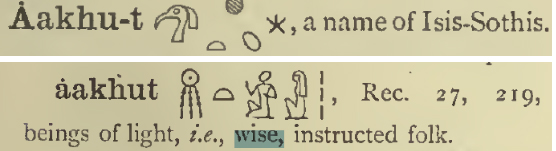
The determination of control over fate is not one for a single aspect to control, but one formed by the equilibrium, or dynamism, of two aspects, or duality. in this respect I have been shown two names which I have found, one name I already knew, but this was definitely used in the later description, ie Astoreth, as she of the horses as opposed to that great goddess of antiquity, also by synonym the name AAkhu-t … there is absolutely no information as to where this name comes from or where it is sourced being as it is both Egyptian/Greek. As these two, are one of the same, that is where the next quest lie, but lets hear what the Fae have to say.


 The Western Gate
Leave a comment